
ORTHOCA Shoulder Centre
Antwerp – Brussels – Liège
The centre of expertise for shoulder surgery.
Four surgeons, one focus: your shoulder — from pain and stiffness to instability, tendon tears, wear and tear, and fractures.
Part of ORTHOCA, the orthopaedic department of AZ Monica. You will find us in Antwerp, and also in Brussels and the Liège region. All four surgeons are recognised specialists in orthopaedic surgery (RIZIV/INAMI).
The team
Team

Prof. dr. Olivier Verborgt
Shoulder surgery
Languages: NL · FR · EN
AlsoHead of the orthopaedics department at UZA (Antwerp University Hospital)
More info — Prof. dr. Olivier Verborgt
Rotator cuffArthroscopic surgeryShoulder replacementInstabilitySports injuries

Dr. Alexander Vervaecke
Shoulder surgery
Languages: NL · FR · EN
More info — Dr. Alexander Vervaecke
Rotator cuffArthroscopic surgeryShoulder replacementInstabilitySports injuriesTrauma and fractures
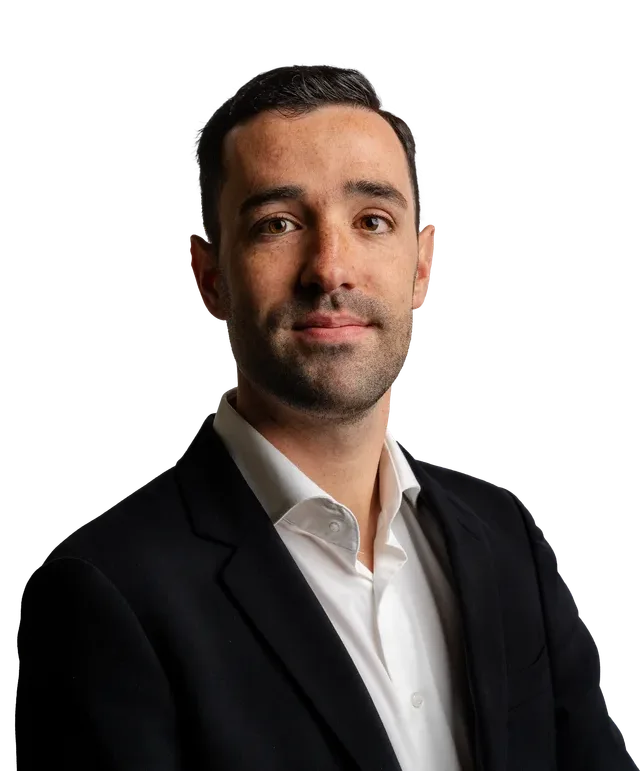
Dr. Maxim Vanderstappen
Shoulder surgery
Languages: NL · FR · EN
More info — Dr. Maxim Vanderstappen
Rotator cuffArthroscopic surgeryShoulder replacementInstabilitySports injuriesTrauma and fractures

Dr. Nick Jansen
Knee and shoulder surgery
Languages: NL · FR · EN
More info — Dr. Nick Jansen
Rotator cuffArthroscopic surgeryInstabilityKnee ligament injuriesSports injuries — knee and shoulder
Information
Shoulder conditions
Information on the most common shoulder problems: symptoms, examination, treatment and recovery.
Subacromial pain syndromePain on the outside of the shoulder that comes on when you lift your arm. This is the most common reason people with shoulder pain come to the clinic.Frozen shoulderA shoulder that first becomes painful and then stiff. An unpleasant but usually benign course: in most people the movement comes back on its own.Rotator cuff tearA tear in one of the tendons that keep the shoulder stable and move it. Not every tear needs repairing: the best treatment depends on your symptoms, your age and how the tear came about.Shoulder instabilityThe shoulder is the most mobile joint in the body, and for that reason also the joint that most easily comes out of its socket. After a first dislocation the chance of it happening again is real, certainly in young and sporty people.Arthritis and replacementIn arthritis the cartilage in the shoulder joint has worn away. That causes pain and stiffness which gradually increase. A replacement is the last step in that process, not the first.Proximal humerus fractureA fracture of the upper part of the upper arm, just below the shoulder, usually after a fall onto the arm or the shoulder. Most of these fractures heal without surgery.
For referrers
GPs and physiotherapists
What you send along with a referral is very useful: it makes the consultation more focused and helps avoid duplicate investigations.
- Brief history and duration of symptoms
- Imaging already performed, with the images
- Course of previous physiotherapy
- Injections: which, where and when
- Relevant history and medication